


Neoclassical Projects
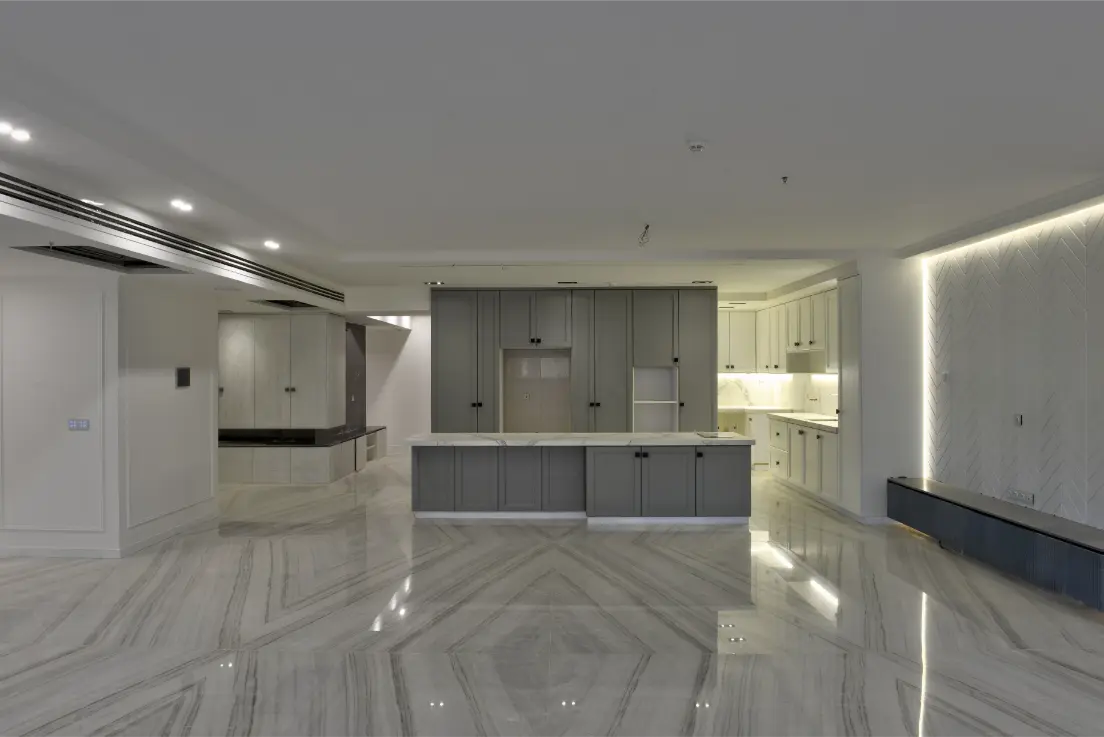
The neoclassical style in the wood industry is a bridge between tradition and modernity. Originating in the 18th century, this style—inspired by ancient Greek and Roman architecture and blended with modern elements—has become one of the most popular styles in interior design. While preserving classical authenticity and elegance, neoclassical design also brings the simplicity and functionality of the modern style. In this article, we explore neoclassical projects in the wood industry, their key features, and their applications in modern décor.
History of the Neoclassical Style in the Wood Industry
The neoclassical style emerged in the late 18th and early 19th centuries as a reaction to the complexities of the Rococo style. By returning to the simpler principles of ancient Greece and Rome, it emphasized symmetry, straight lines, and geometric forms. In Europe, neoclassicism was used in palaces and aristocratic homes, and in Iran it appeared in interior designs influenced by Qajar and Pahlavi art. In this style, wood plays a key role through clean lines and refined details.
Key Characteristics of the Neoclassical Style in the Wood Industry
The neoclassical style is recognized by the following features:
- Simple, geometric lines: Unlike the classical style, neoclassical design uses straight lines and simple geometric forms.
- Refined ornamentation: Ornamentation is more limited and minimal, yet still present through small details such as subtle carvings.
- Soft, neutral colors: Colors such as white, cream, beige, and light gray alongside gentle wood tones.
- Symmetry and harmony: Designs are symmetrical and balanced, conveying a sense of calm.
- Combination with metal and glass: In some cases, wood is paired with metals like bronze or with glass to create a more modern look.
Materials Used in Neoclassical Projects
Wood selection is highly important in the neoclassical style. The following woods are commonly used:
- Maple wood: With its light color and uniform grain, it is well suited to neoclassical spaces.
- White oak: Lighter than traditional oak, it gives the work a more modern feel.
- Walnut wood: Sometimes used sparingly to create contrast alongside lighter colors.
Finishes are typically matte or semi-gloss, and lighter tones are used to emphasize simplicity.
Applications of the Neoclassical Style in Interior Décor
The neoclassical style is used across various areas of interior design:
- Furniture: Dining tables and chairs with clean lines and fabrics such as velvet or linen.
- Cabinetry: Kitchen cabinets in light colors with simple metal handles.
- Wall panels: Wooden wall cladding with simple geometric patterns for living rooms.
- Libraries: Bookshelves with minimal design and light colors.
This style is especially popular in modern apartments, luxury villas, and stylish office spaces.
Advantages and Disadvantages of Neoclassical Projects
Advantages
- Elegance and simplicity: This style creates a balance between luxury and minimalism.
- Flexibility: It can easily be combined with other styles such as modern design.
- Wide applicability: Suitable for both small and large spaces.
Disadvantages
- Material cost: High-quality wood and precise finishes can be expensive.
- Need for precise design: Neoclassical simplicity requires high attention to detail to avoid a dull outcome.
- Sensitivity to color: Using unsuitable colors can diminish the final result.
Design Tips for Neoclassical Projects
To execute a successful neoclassical project, consider the following tips:
- Choose neutral colors: Combine light, soft tones with warm lighting.
- Use simple fabrics: Select fabrics such as linen or velvet in pastel colors.
- Pay attention to lighting: Soft, indirect lighting enhances a sense of calm.
- Combine with modern materials: Use glass, metal, or marble to create contrast.
- Small but impactful details: Simple decorative touches such as subtle vertical or horizontal lines on wood can create a stylish look.
Blending Neoclassicism with Modernity
Thanks to its simplicity, the neoclassical style can easily be combined with modern elements:
- Using light-colored woods with minimal lines and no excessive ornamentation.
- Pairing with modern furniture such as single-tone, simple sofas.
- Adding modern decorative elements such as geometric mirrors or minimalist chandeliers.
This combination makes a space feel both luxurious and practical, with a contemporary touch.
Final Words
The neoclassical style in the wood industry is an excellent choice for those seeking a blend of authenticity and modernity. With its simplicity and elegance, it creates a stylish and functional environment suitable for both modern homes and commercial spaces. By choosing the right materials, paying attention to details, and thoughtfully combining modern elements, you can create a project that is both beautiful and long-lasting. If you plan to carry out a neoclassical project, consult a specialized team to achieve the best results.