


Modern Projects
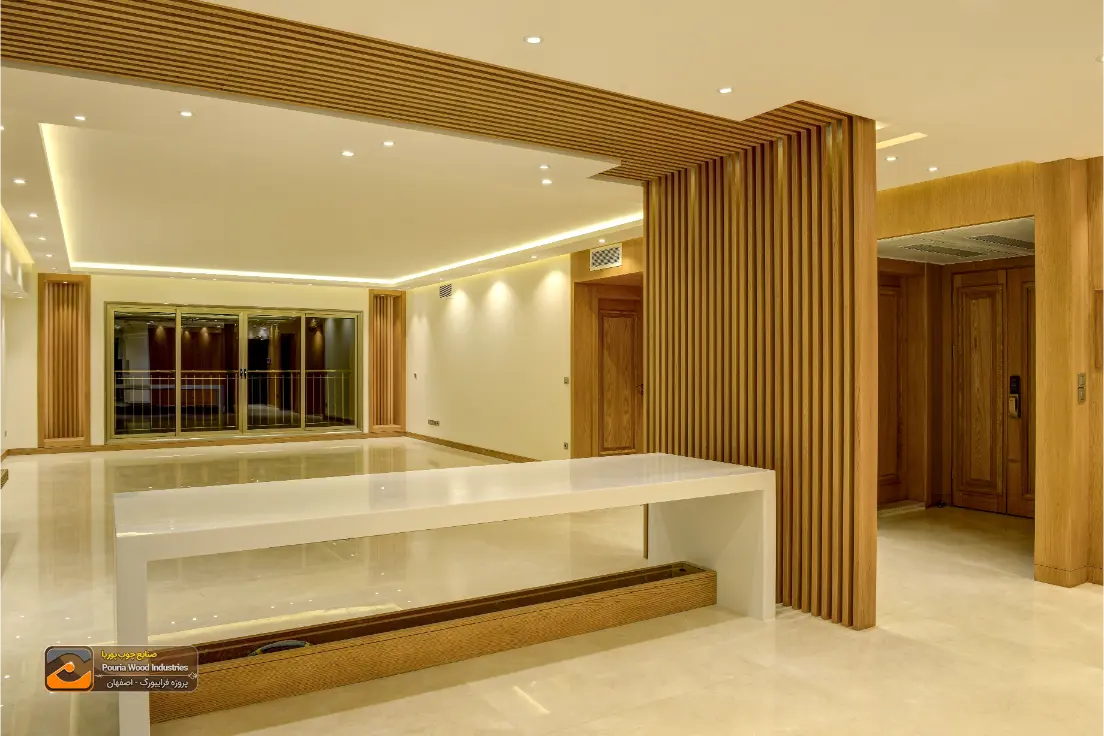
The modern style in the wood industry is a symbol of simplicity, efficiency, and beauty—while remaining highly functional. Shaped in the early 20th century through modern architectural movements such as Bauhaus and Minimalism, it is now one of the most popular choices in interior design and décor. Modern wood-industry projects focus on clean lines, open spaces, and the smart use of raw materials to create environments that are both contemporary and comfortable. In this article, we take an in-depth look at modern projects in the wood industry, their key features, and their applications.
History of the Modern Style in the Wood Industry
The modern style emerged in the early 20th century with the rise of architectural and design movements such as Bauhaus and Minimalism. These movements emphasized simplicity, efficiency, and the removal of unnecessary ornamentation. In this style, wood—as a natural and versatile material—was used with clean lines and minimal finishes. In Iran, the modern style entered interior design during the 1970s and 1980s under the influence of Western architecture, and today it is widely seen in apartments, villas, and commercial spaces.
Key Characteristics of the Modern Style in the Wood Industry
The modern style in the wood industry is characterized by the following features:
- Clean, simple lines: Straight, geometric forms without complex ornamentation are a defining feature of this style.
- Open, minimalist spaces: Designs are created to make spaces feel larger and more uncluttered.
- Neutral, modern colors: Shades like white, gray, and black, along with natural wood tones in matte or glossy finishes.
- Combination with modern materials: Wood is often paired with materials such as metal, glass, and concrete.
- Functional design: Every element in modern design serves a specific purpose, and unnecessary ornamentation is removed.
Materials Used in Modern Projects
In the modern style, it is common to choose woods with simple grain patterns and natural tones:
- Pine wood: With its light color and affordable price, it is ideal for cost-effective modern projects.
- Bamboo: Popular in modern designs due to its sustainability and minimalist look.
- Ash wood: With a smooth grain and light tone, it is suitable for modern furniture and panels. Finishes are typically matte or low-gloss to preserve a sense of simplicity. In some cases, industrial veneers such as laminate are used to reduce costs.
Applications of the Modern Style in Interior Décor
Modern style in the wood industry is used in various parts of interior design:
- Furniture: Minimalist tables and chairs with clean lines and simple fabrics.
- Cabinetry: Handleless cabinets with matte colors and smooth, flat surfaces.
- Flooring: Wooden floors in light or dark tones with simple patterns.
- Partitions: Wooden partitions for separating spaces, featuring open and minimalist designs.
This style is especially popular in small apartments, modern office spaces, and cafés.
Advantages and Disadvantages of Modern Projects
Advantages
- Simplicity and elegance: Simple yet stylish designs create a calm and pleasant atmosphere.
- Lower cost: By eliminating complex decorations, production and installation costs are reduced.
- Flexibility: This style easily complements a wide range of spaces and other design styles.
Disadvantages
- A sense of coldness: Extensive use of clean lines and neutral colors may make a space feel cold and lifeless.
- Requires cleanliness and upkeep: Smooth, simple surfaces quickly show dirt and smudges.
- Lack of character: Some believe modern designs can sometimes be overly simple and lack a distinct identity.
Design Tips for Modern Projects
To successfully execute a modern woodworking project, consider the following tips:
- Use contrasting colors: Combine neutral tones with a bold accent color (such as yellow or blue) to add visual appeal.
- Modern lighting: Use hidden lighting or LED lamps to emphasize clean, simple lines.
- Open spaces: Use wood to create open, functional areas—for example, open shelving without doors.
- Combine with other materials: Pair wood with metal or glass to create contrast and visual interest.
- Focus on functionality: Every element should serve a purpose, and clutter should be avoided.
Blending Modern Style with Other Elements
Because of its simplicity, modern style can be easily combined with other styles:
- Combined with industrial style: Using wood alongside raw metals and concrete.
- Blended with Scandinavian style: Light-colored woods with soft textiles and pastel tones.
- Add natural elements: Such as plants or natural stone to bring warmth to the space.
These combinations help a space feel modern while still retaining warmth and a lively, inviting atmosphere.
Final Thoughts
Modern style in the wood industry is an excellent choice for those seeking simplicity, functionality, and beauty. With clean lines, neutral colors, and practical designs, it creates a space that is well-suited for everyday living while also appealing in commercial environments. By selecting the right raw materials, paying attention to lighting, and intelligently combining wood with other materials, you can create a project that is both modern and inviting. If you plan to carry out a modern project, consult a professional team to achieve the best results.