


Classic Woodworking Industry
“`html
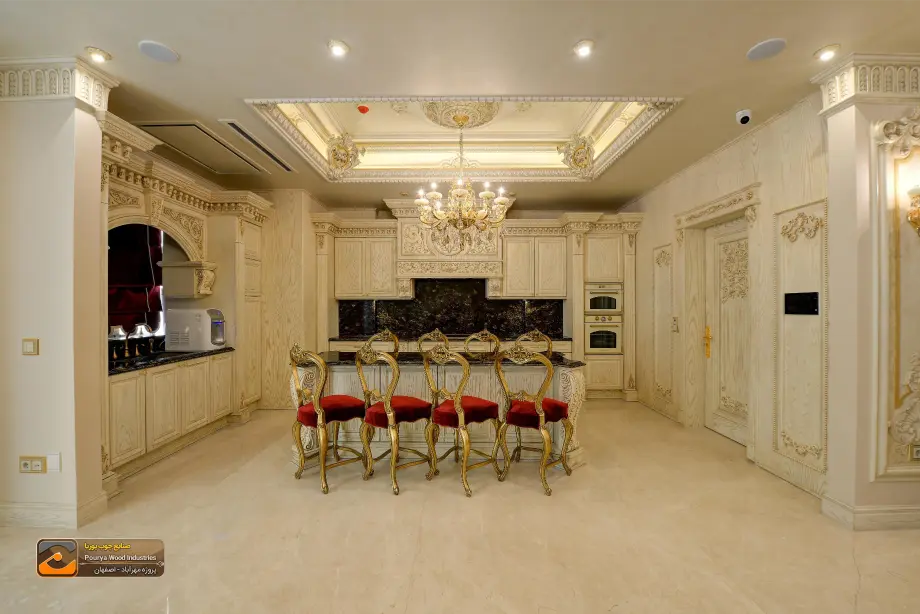
Classic woodworking is one of the most enduring and beautiful styles in interior design and decoration—one that has maintained its popularity for centuries. Inspired by the art and architecture of historical periods such as the Renaissance, Baroque, and Rococo, this style brings a sense of grandeur and authenticity to spaces. In this article, we take an in-depth look at classic woodworking projects, their features, and how this style can be used in modern designs.
The History of the Classic Style in Woodworking
The classic style has its roots in the architecture and art of ancient Greece and Rome. In the 17th and 18th centuries, it reached its peak and was widely used in furniture, cabinetry, and interior ornamentation. In Iran, the classic style—shaped by Persian and Islamic art influences—can be seen in palaces and aristocratic homes. Wood, as the primary material in this style, symbolized luxury and power through intricate carvings and fine finishing. Today, this style—often blended with modern elements—remains widely used in luxury projects.
Key Characteristics of the Classic Style in Woodworking
The classic style in woodworking is recognized by several distinctive features:
- Intricate carvings: Floral patterns, leaves, and geometric shapes are carved into wood by hand or machine.
- Symmetry and balance: Designs are typically symmetrical and balanced, with each element harmonizing with the others.
- Warm, natural colors: Dark brown, gold, and honey tones—paired with glossy finishes—create an elegant, aristocratic look.
- Decorative details: The use of wood carving (monabbat), high-quality veneers, and sometimes combinations with metals such as brass or gold.
- High-quality materials: Hardwood species like walnut, oak, and beech that ensure durability and beauty.
Materials Used in Classic Projects
Choosing the right wood is essential in classic projects. The following woods are among the most popular options:
- Walnut wood: With its dark tone and beautiful grain, it is ideal for classic furniture and cabinets.
- Oak wood: Due to its high strength and excellent carving capability, it is used in larger projects.
- Beech wood: With a lighter color and high flexibility, it is suitable for delicate details.
In addition, high-quality wood veneers and finishes such as shellac or polyurethane are used to protect the wood and enhance its beauty.
Applications of the Classic Style in Interior Design
The classic style in woodworking is used in various parts of interior design:
- Furniture: Dining tables and chairs, carved beds, and regal sofas.
- Cabinetry: Kitchen cabinets with carved doors and brass handles.
- Wall panels and décor: Classic-pattern wooden panels for living room walls.
- Doors: Entry or interior doors with intricate carvings and stained glass.
This style is especially popular in luxury homes, hotels, and upscale restaurants.
Pros and Cons of Classic Projects
Pros
- Durability and longevity: High-quality wood and proper finishing ensure a long lifespan.
- Added value: Because of their luxurious appearance, classic projects can increase property value.
- Timeless beauty: This style never goes out of fashion and always remains appealing.
Cons
- High cost: Expensive materials and handcrafted work raise overall costs.
- Maintenance requirements: Classic wood needs regular care to protect it from scratches and moisture.
- Time-consuming: Designing and executing carvings takes a significant amount of time.
Design Tips for Classic Woodworking Projects
To execute a successful classic woodworking project, keep the following tips in mind:
- Choose the right colors: Pair warm, natural tones with soft lighting.
- Pay attention to details: Small elements such as handles, edges, and finishes make a big difference.
- Match the space: The classic style works best in larger spaces with high ceilings.
- Use luxurious fabrics: For furniture, choose fabrics like velvet or silk with classic patterns.
- Maintain balance in décor: Avoid excessive ornamentation so the space still feels dignified and refined.
Blending the Classic Style with Modernity
One of today’s trends is combining the classic style with modern elements. For example:
- Using classic woods with simpler, more minimalist lines.
- Combining classic colors (such as dark brown) with modern colors (such as light gray).
- Adding modern lighting—such as LED chandeliers—to classic spaces.
This blend makes the classic style appealing to the new generation as well.
Examples of Classic Projects in Iran
In Iran, the classic style can be seen in old houses and palaces such as Golestan Palace or historic homes in Kashan. Today, it is also used in luxury villa projects and large apartments. For instance, a well-known project in Tehran involved the interior design of a 500-square-meter villa in the Zaferanieh area, executed entirely with walnut wood and hand-carved details.
Final Thoughts
The classic style in woodworking is an ideal choice for those seeking grandeur, authenticity, and timeless beauty. Although it requires more time and cost compared to modern styles, the final result is worth it. By choosing high-quality materials, focusing on details, and intelligently blending classic and modern elements, you can create a project that is both functional and visually stunning. If you are considering a classic project, consult a professional team to achieve the best possible outcome.